Rossica Translation Prize 2014
Winner Announced!
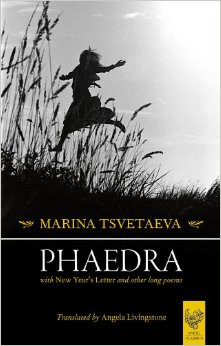
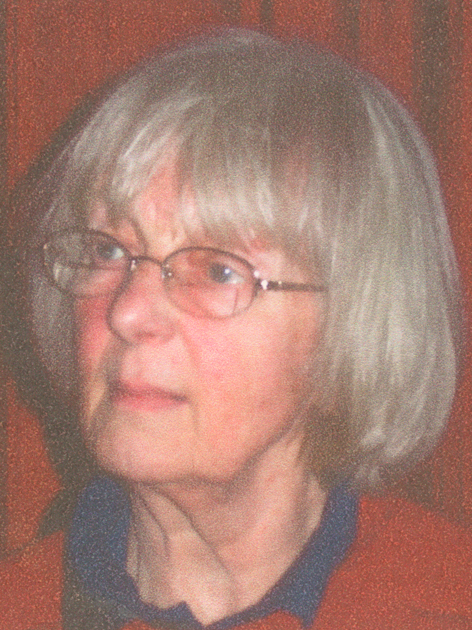
Angela Livingstone - translation of Marina Tsvetaeva, Phaedra, Angel Classics
We are delighted to announce that this year's Rossica Prize was awarded to Angela Livingstone's translation of Phaedra, by Marina Tsvetaeva, published by Angel Classics (2012).
The Rossica Prize aims to promote the best of Russian literary culture in the English-speaking world, rewarding and encouraging the translation of a broad range of authors, genres and periods. The Rossica Prize judges – Professor Donald Rayfield, Professor Andrew Kahn and Dr. Oliver Ready – chose this year's shortlist from a wide selection of Russian literary writing, past and present. A prize of £3000 was awarded to the winning translation, divided between the translator, Angela Livingstone, and the publisher, Angel Classics.
We would like to thank all publishers and translators for their submissions this year, as well as everyone who joined us to celebrate the announcement on the 20th at the London Library. Many thanks to our distinguished judges for dedicating their time and expertise, and to the London Library for their assistance in hosting the award ceremony. For photos of the event, take a look at our Facebook page!
Judges' Comments - Dr. Oliver Ready, Professor Donald Rayfield, Professor Andrew Kahn
The judges of the Rossica Translation Prize for 2014 faced an embarrassment of riches. The long-list was exceptionally strong this year, and included many new and gifted translators who will be shaping the reception of Russian literature in English for years to come. No less promisingly, it also included a large number of important works translated into English for the first time. All the long-listed translators and publishers are to be congratulated on what can truthfully be called an urozhainyi god, or ‘year of plenty’.
‘A marathon done at a sprint’, was one reaction among the judges to Angela Livingstone’s rendering of Marina Tsvetaeva’s verse drama Phaedra (1927): ‘Not just an extraordinary and sustained translation, but poetry in its own right.’ Another commented that ‘Livingstone’s Phaedra is Tsvetaeva's Phaedra: rhythmically complex and propulsive, verbally accurate and dramatically voiced. This is a noisy work, full of anger, choral expostulation and regal posturing, and Livingstone pulls out all the stops in making this drama come to life as stage-worthy in English.’ The judges were also very impressed by the versions of the three long poems that complete this volume, which begin with Tsvetaeva’s elegy to Rilke and which successfully capture the poet in a mode of deep reflection and exaltation.
Rossica Prize 2014 - Shortlist
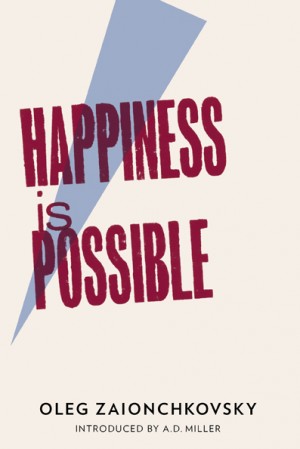 | Happiness is Possible By Oleg Zaionchovsky Translated by Andrew Bromfield 2012, And Other Stories, ISBN 978-1908276094 Happiness is Possible tells the story of a writer late delivering his novel, unable to write anything uplifting since his wife walked out. All he can produce is notes about the happiness of others. But something draws him into the Moscow lives around him, bringing together lonely neighbours, restoring lost love, and helping out with building renovations. And happiness seems determined to catch up with him as well. | |
| Phaedra; with New Year's Letter and Other Long Poems By Marina Tsvetaeva Translated by Angela Livingstone 2012, Angel Classics, ISBN 978-0946162819 Marina Tsvetaeva's verse drama Phaedra, completed in 1927, is the most extraordinary of all literary treatments of the Phaedra legend. Angela Livingstone has translated this little-known great work for the first time into English. Three long poems written at the same time as Phaedra connect, in their depth of thought and feeling, with Tsvetaeva's intense epistolary relationships with Pasternak and Rilke, and fascinatingly fill out the themes and preoccupations of the drama. | |
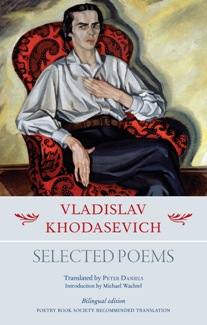 | Selected Poems By Vladislav Khodasevich Translated by Peter Daniels 2013, Angel Classics, ISBN 978-0946162826 Vladislav Khodasevich (1886–1939), deleted from literary history in the Soviet era because of his emigration in 1922 with his partner Nina Berberova, has since been welcomed in Russia into its 20th-century pantheon of poets, where he was long ago placed by Vladimir Nabokov and Joseph Brodsky. This bilingual edition, with its wide-ranging introduction by Michael Wachtel and extensive end-notes by the translator, offers the English-speaking reader the first substantial selection of this intriguing poet. | |
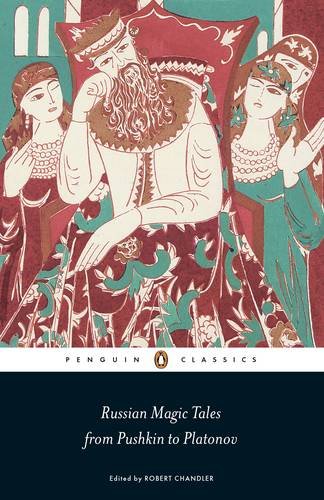 | Russian Magic Tales from Pushkin to Platonov Anthology, edited by Robert Chandler Translated by Robert and Elizabeth Chandler, with Sibelan Forrester, Anna Gunin and Olga Meerson 2012, Penguin Classics, ISBN 978-0141442235 In these tales, young women go on long and difficult quests, wicked stepmothers turn children into geese and tsars ask dangerous riddles, with help or hindrance from magical dolls, cannibal witches, talking skulls, stolen wives, and brothers disguised as wise birds. Half the tales here are true oral tales, collected by folklorists during the last two centuries, while the others are reworkings of oral tales by four great Russian writers: Alexander Pushkin, Nadezhda Teffi, Pavel Bazhov and Andrey Platonov. | |
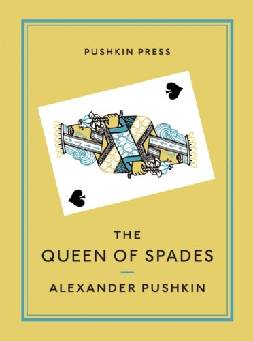 | The Queen of Spades By Alexander Pushkin Translated by Anthony Briggs 2012, Pushkin Press, ISBN 978-1908968036 The Queen of Spades, originally published in Russian in 1834, is one of the most famous tales in Russian literature, and inspired the eponymous opera by Tchaikovsky. This edition also includes The Stationmaster, together with the poem The Bronze Horseman, extracts from Yevgeny Onegin and Boris Godunov, and a selection of his poetic work. |
Rossica Prize 2014 - Longlist
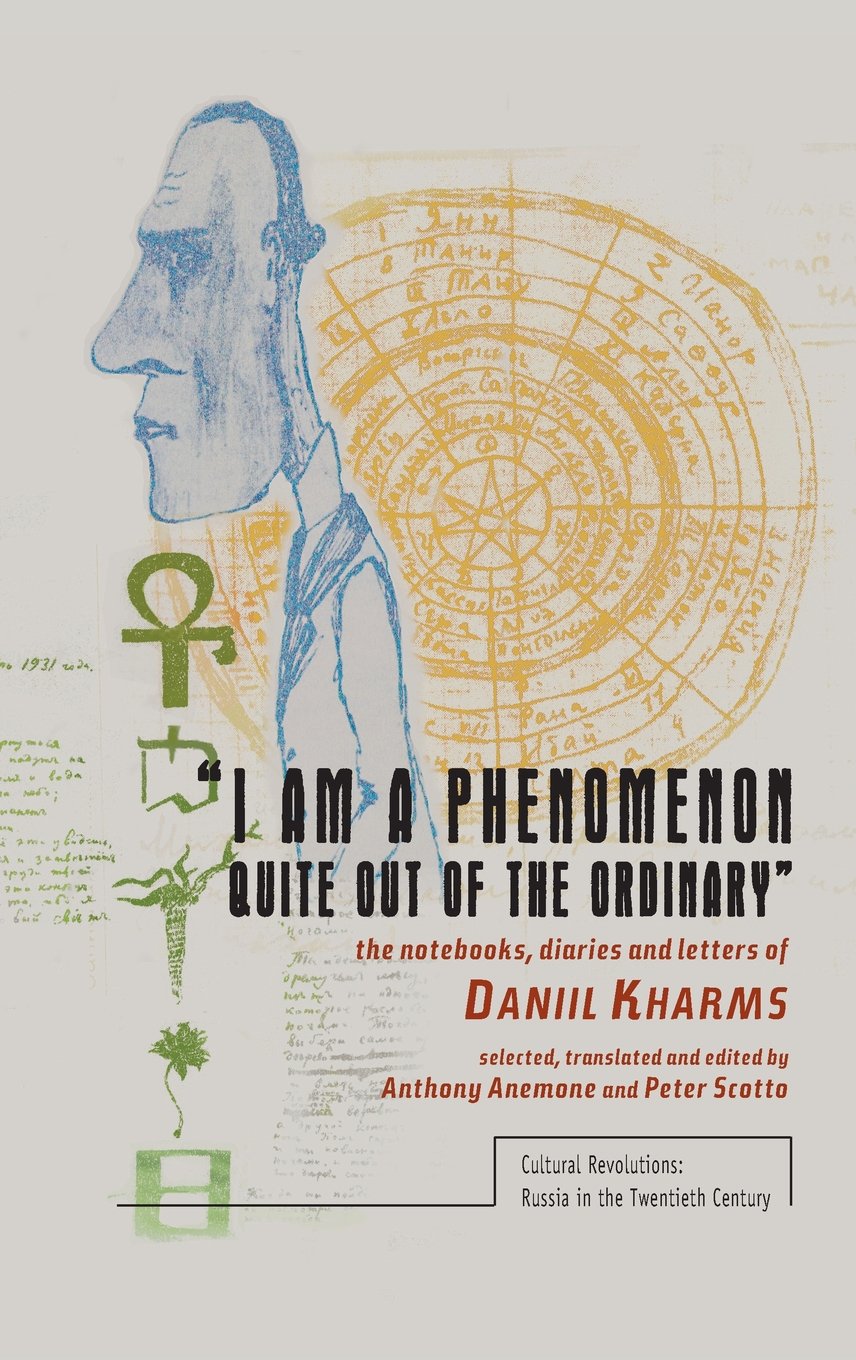 | I Am a Phenomenon Quite Out of the Ordinary: The Notebooks, Diaries and Letters of Daniil Kharms by Daniil Kharms Translated by Anthony Anemone and Peter Scotto 2013, Academic Studies Press, ISBN 978-1936235964 In addition to his numerous works in prose and poetry for both children and adults, Daniil Kharms (1905-42), one of the founders of Russia's lost literature of the absurd, wrote notebooks and a diary for most of his adult life. Published for the first time in recent years in Russian, these notebooks provide an intimate look at the daily life and struggles of one of the central figures of the literary avant-garde in Post-Revolutionary Leningrad. | |
 | Pushkin Hills by Sergei Dovlatov Translated by Katherine Dovlatov 2013, Alma Classics, ISBN 978-1847492210 Populated with unforgettable characters, such as Alikhanovís fellow guides Mitrofanov and Pototsky and the KGB officer Belyaev, and presented here for the first time in the English language, Pushkin Hills is arguably Dovlatov's most personal work and a poignant portrayal of the Russian attitude towards life and art. | |
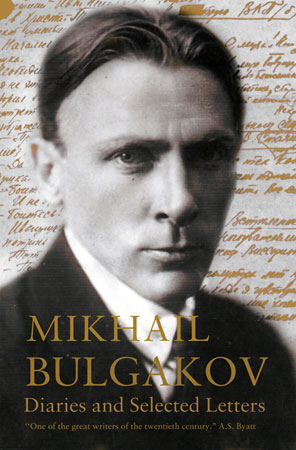 | Diaries and Selected Letters by Mikhail Bulgakov Translated by Roger Cockrell 2013, Alma Classics, ISBN 9781847493033 This ample selection from the diaries and letters of the Bulgakovs, mostly translated for the first time into English, provides an insightful glimpse into a fascinating period of Russian history and literature, telling the tragic tale of the fate of an artist under a totalitarian regime. | |
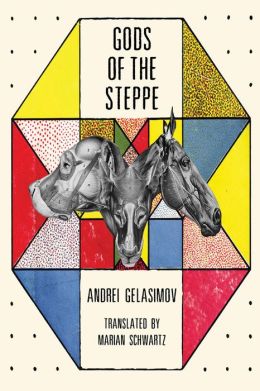 | Gods of the Steppe by Andrei Gelasimov Translated by Marian Schwartz 2013, Amazon Crossing, ISBN 978-1611090734 For Petka, no life could be more thrilling and glorious than marching into battle alongside the Red Army. But he is only twelve, the bastard child of a fractured family, trapped in a village too tiny for his bursting spirit. So he must make his own adventure wherever he can find it. By turns comical, harrowing, poignant, and exhilarating, Petka reveals the soul of a boy who knows only to take from life all that he can—not merely what his circumstances allow. | |
 | Captain of the Steppe by Oleg Pavlov Translated by Ian Appleby 2013, And Other Stories, ISBN 978-1908276186 Deep in the desolate steppe, Captain Khabarov waits out his service at a camp where the news arrives in bundles of last year's papers and rations turn up rotting in their trucks. The captain hopes for nothing more from life than a meagre pension and a state-owned flat. Until, one Spring, he decides to plant a field of potatoes to feed his half-starved men... The first in a trilogy, this blackly comic novel has been praised for its chilling but humane and hilarious depiction of the Soviet Empire's last years. | |
| | Happiness is Possible by Oleg Zaionchovsky Translated by Andrew Bromfield 2012, And Other Stories, ISBN 978-1908276094 Happiness is Possible tells the story of a writer late delivering his novel, unable to write anything uplifting since his wife walked out. All he can produce is notes about the happiness of others. But something draws him into the Moscow lives around him, bringing together lonely neighbours, restoring lost love, and helping out with building renovations. And happiness seems determined to catch up with him as well. | |
| | Phaedra; with New Year's Letter and Other Long Poems by Marina Tsvetaeva Translated by Angela Livingstone 2012, Angel Classics, ISBN 978-0946162819 Marina Tsvetaeva's verse drama Phaedra, completed in 1927, is the most extraordinary of all literary treatments of the Phaedra legend. Angela Livingstone has translated this little-known great work for the first time into English. Three long poems written at the same time as Phaedra connect, in their depth of thought and feeling, with Tsvetaeva's intense epistolary relationships with Pasternak and Rilke, and fascinatingly fill out the themes and preoccupations of the drama. | |
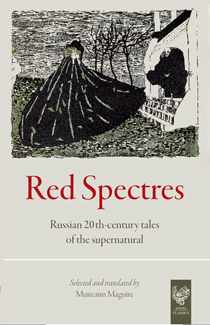 | Red Spectres: Russian 20th Century Gothic-Fantastic Tales Edited by Muireann Maguire Translated by Muireann Maguire 2013, Angel Books, ISBN 978-0946162802 In the first decades of the twentieth century, gothic fiction flourished in Russia, despite official efforts to stamp it out. Yet few of these stories have been translated or published outside Russia. This rare collection includes eleven vintage tales by seven writers of the period: Valery Bryusov, Mikhail Bulgakov, Aleksandr Grin and Sigizmund Krzhizhanovsky; the lesser known but seminal figure Aleksandr Chayanov, whose story "Venediktov" influenced Bulgakov's Master and Margarita; and the emigres Georgy Peskov and Pavel Perov. | |
| | Selected Poems by Vladislav Khodasevich Translated by Peter Daniels 2013, Angel Classics, ISBN 978-0946162826 Vladislav Khodasevich (1886–1939), deleted from literary history in the Soviet era because of his emigration in 1922 with his partner Nina Berberova, has since been welcomed in Russia into its 20th-century pantheon of poets, where he was long ago placed by Vladimir Nabokov and Joseph Brodsky. This bilingual edition, with its wide-ranging introduction by Michael Wachtel and extensive end-notes by the translator, offers the English-speaking reader the first substantial selection of this intriguing poet. | |
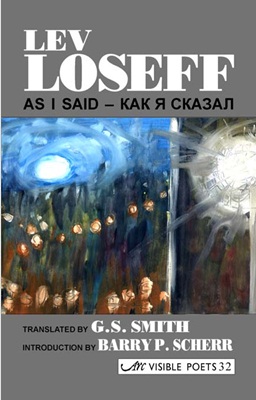 | As I Said by Lev Loseff Translated by G.S. Smith 2012, Arc Publications, ISBN 978-1906570118 These poems are written from across the poet's life, contemplating his native land of Russia from both a literal and a figurative distance, while at the same time casting a sometimes jaundiced eye on the alien culture of America in which he spent the final years of his life. Loseff's poetry excels in complex imagery, rich literary allusion, and is abundant in formal experiment. Whether absorbed by the world of literature or relating real-life experiences, Loseff conjures up a restless and frequently disturbing universe in this unusual collection. | |
.jpg) | The Maya Pill by German Sadulaev Translated by Carol Apollonio 2013, Dalkey Archive Press, ISBN 978-1564789068 In the traditions of Victor Pelevin and Vladimir Sorokin, German Sadulaev’s follow-up to his acclaimed I am a Chechen! is set in a twenty-first century Russia, phantasmagorical and violent. A bitingly funny twenty-first century satire, The Maya Pill tells the story of a mid-level manager at a frozen-food import company who comes upon a box of psychotropic pills that’s accidentally been slipped into a shipment. A mind-expanding companion to the great Russian classics, The Maya Pill is strange, savage, bizarre, and uproarious. | |
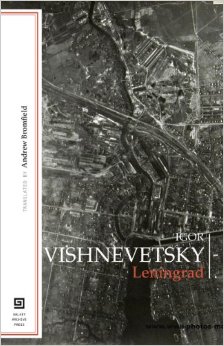 | Leningrad by Igor Vishnevetsky Translated by Andrew Bromfield 2013, Dalkey Archive Press, ISBN 978-1564789020 This masterful mixture of prose and poetry, excerpts from private letters and diaries, and quotes from newspapers and NKVD documents is a unique amalgam of documentary, philosophical novel and black humor. Revolving around three central characters we are made witness to the inhuman conditions prevailing during the Siege of Leningrad. In their wild attempts to survive, the protagonists hold on to their art, ideals, and sentiments, hoping that these might somehow remain uncorrupted despite the Bolsheviks, Nazis, and even death itself. | |
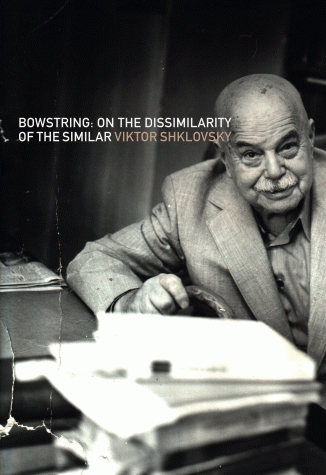 | Bowstring by Viktor Shklovsky Translated by Shushan Avagyan 2011, Dalkey Archive Press, ISBN 9781564784254 Published in Moscow in 1970 and appearing in English translation for the first time, Bowstring redefines estrangement as a device of the literary comparatist, the “person out of place” who has turned up in a period where he does not belong and who must search for meaning with a strained sensibility. Shklovsky experiments with different genres, employing a technique of textual montage to mix biography, memoir, history and literary criticism in a book that boldly dares to be different and innovative. | |
 | A Hunt for Optimism by Viktor Shklovsky Translated by Shushan Avagyan 2012, Dalkey Archive Press, ISBN 978-1564787903 Begun in 1929 under the title “New Prose” and drastically revised after Vladimir Mayakovsky’s sudden death, A Hunt for Optimism circles obsessively around a single scene of interrogation in which a writer is subjected to a show trial for his unorthodoxy. Using multiple perspectives, fragments, and aphorisms, and bearing the vulnerability of both the Russian Jewry and the anti-Bolshevik intelligentsia, the novel satirizes censorship and the ineptitude of Soviet leaders with acerbic panache. | |
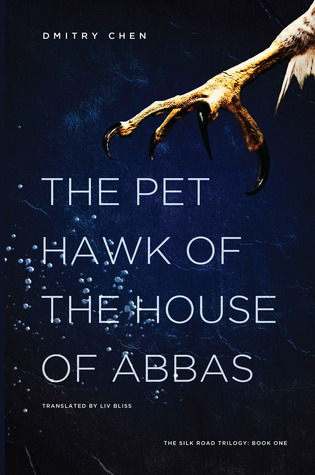 | The Pet Hawk of the House of Abbas by Dmitry Chen Translated by Liv Bliss 2013, Edward & Dee, ISBN 978-1940585000 This exciting trilogy by a Russian author – who has been compared to Orhan Pamuk and Umberto Eco – vividly recreates a lost world, yet its passions and characters are entirely relevant to the present day. Full of mystery, memorable characters, and non-stop adventure, The Pet Hawk of the House of Abbas is a must read for lovers of historical fiction and international thrillers. | |
.jpg) | Petroleum Venus by Alexander Snegirev Translated by Arch Tait 2013, Glas, ISBN 978-5717200967 This is the tragicomic story of a successful young architect, Fyodor, the reluctant single father of an adolescent son with Down syndrome. The son is a terrible embarrassment to Fyodor, who relies on his own parents to take care of him. Fyodor has fraught relationship with them as well. But then a fatal car crash and the accidental discovery of a mystical painting, "Petroleum Venus," force this self-involved father to ultimately embrace his troubled son, his parents' moral values, and the real things in life. | |
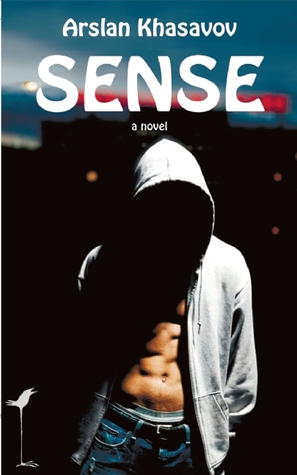 | Sense by Arslan Khasavov Translated by Arch Tait 2012, Glas, ISBN 978-5717200936 SENSE is the name of the organization launched by a Narcissistic 20-year-old boy who wants to live for the sake of a lofty goal but is unable to fit into any socio-cultural framework. He yearns for glory and finally decides that the only way to win it is to stage a revolution. The novel paints an ironic picture of Russia’s political life today and shows to what limits an indifferent and hypocritical society can push a romantically-minded young person. It is about a young man’s rebellious search for identity and his attempts to find some sense in the chaos around him. | |
.jpg) | Snow Germans by Dmitry Vachedin Translated by Arch Tait 2013, Glas, ISBN 978-5717200974 Dmitry Vachedin describes his personal experiences of growing up as a German in Russia and then moving to Germany to find himself an alien again. Influenced by Vladimir Nabokov and Thomas Mann, Dmitry Vachedin is a winner of the Debut and Russian prizes. | |
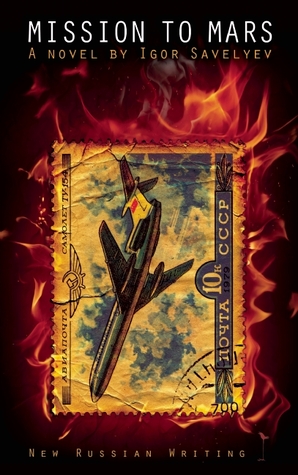 | Mission to Mars by Igor Savelyev Translated by Amanda Love Darragh 2013, Glas, ISBN 978-5717201216 Mars symbolizes freedom and a daring goal, different for each character. One goes to America to break away from humdrum provincial life. Other protagonists launch a campaign against a dishonest airline exploiting people's fear of flying by promising false guarantees of safety for an extra price. The protest peters out after arrests, sobering the young people's enthusiasm. Reports of actual plane crashes accompany the narrative, providing a frightening backdrop. | |
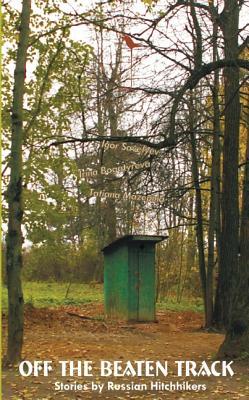 | Off the Beaten Track: Stories by Russian Hitchhikers by Igor Savelyev, Irina Bogatyreva and Tatiana Mazepina Translated by Amanda Love Darragh, Arch Tait, Ainsley Morse and Mihaela Pacurar 2012, Glas, ISBN 978-5717200929 By and about Russian hitchhikers, these stories take the reader along the endless roads of central Russia, the Urals, the Altai, Siberia, and beyond. In energetic and vivid prose they depict all sorts of curious Russian types: exotic adventures in far-flung places, the complex psychological relationships that develop on the road, and these hitchhikers' inexplicable passion for tramping. "In via veritas" is their motto. | |
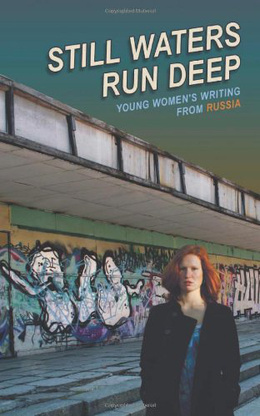 | Still Waters Run Deep: Young Women's Writing from Russia by Yaroslava Pulinovich, Irina Bogatyreva, Olga Rimsha, Anna Lavrinenko, Ksenia Zhukova Translated by Arch Tait, Noah Birksted-Breen, Anne Marie Jackson, Amanda Love Darragh, John Dewey, Muireann Maguire, Dora O'Brien 2012, Glas, ISBN 978-5717200950 These frank, unsparing and varied stories by women in their twenties and thirties reveal the evolution of women's consciousness in Russia through two decades of violent social upheaval. The stories include the dramatic monologue of a teenage girl who grew up in an orphanage; an escape to the Altai Mountains and their mysterious local rites and lore; the seamy side of Siberian business and a young man's failure to get to grips with it; the tricky backstage life of a provincial theatre, and the private life of a wealthy family which mirrors the social stratification in Russian society today. | |
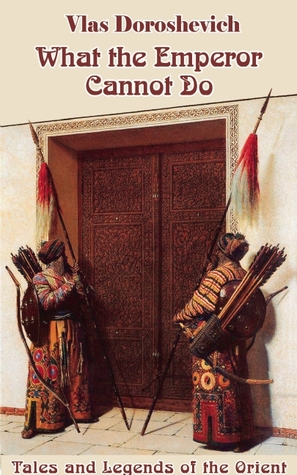 | What the Emperor Cannot Do: Tales and Legends of the Orient by Vlas Doroshevich Translated by Rowan Glie, in collaboration with Ronald M. Landau, and John Dewey 2012, Glas, ISBN 978-5717200943 Styled as Oriental tales, these parables are unexpected, exciting, colorful, and tremendously readable. Vlas Doroshevich could not stand tyranny in any form and in his tales he availed himself of complete freedom to mock, to despise, and to accuse the authorities for their wickedness, hypocrisy, and stupidity. These tales could be written by and for rebellious "anti-establishment" youth of today. Doroshevich's works were often banned during the tsarist times and then finally banned completely under the Bolsheviks. This great Russian writer, who was a friend of Anton Chekhov, is only now being resurrected from oblivion. This is the first English translation of his tales. | |
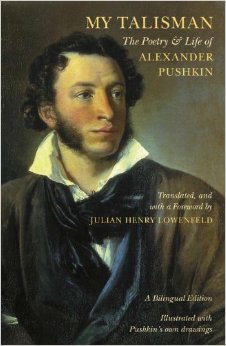 | My Talisman: The Poetry and Life of Alexander Pushkin by Alexander Pushkin, with a forward by Julian Lowenfeld Translated by Julian Lowenfeld 2011, Green Lamp Press, ISBN 0974872018 My Talisman, The Life and Poetry of Alexander Pushkin brings the joy of Russia's national bard to English speakers. This a dual-language edition contains over 120 of the most beloved poems of Alexander Pushkin, illustrated by approximately 180 of the poet's own beautiful, extremely vivid drawings. The book also contains extensive excerpts from Eugene Onegin, Pushkin's magnificent novel in verse, and a complete biography of the poet, whose life is a thrilling tale in its own right. | |
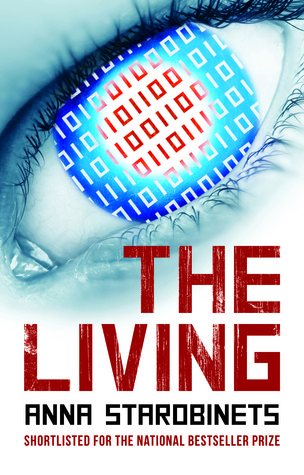 | The Living by Anna Starobinets Translated by James Rann 2012, Hesperus Press, ISBN 978-1843913771 After a global catastrophe, the number of people on Earth has become fixed at a constant three billion. Death no longer exists, and people are reborn with an in-code that keeps track of their previous incarnations. Humankind is no longer made up of individuals, but makes up a composite organism: The Living. Yet one man is born without an in-code. His birth increases the number of The Living by one, threatening global harmony. Who is the man known as 'Zero' and how will The Living survive? Starobinets has created a truly enthralling, disturbing and unique anti-utopian fantasy novel that will have the reader gripped from page one. | |
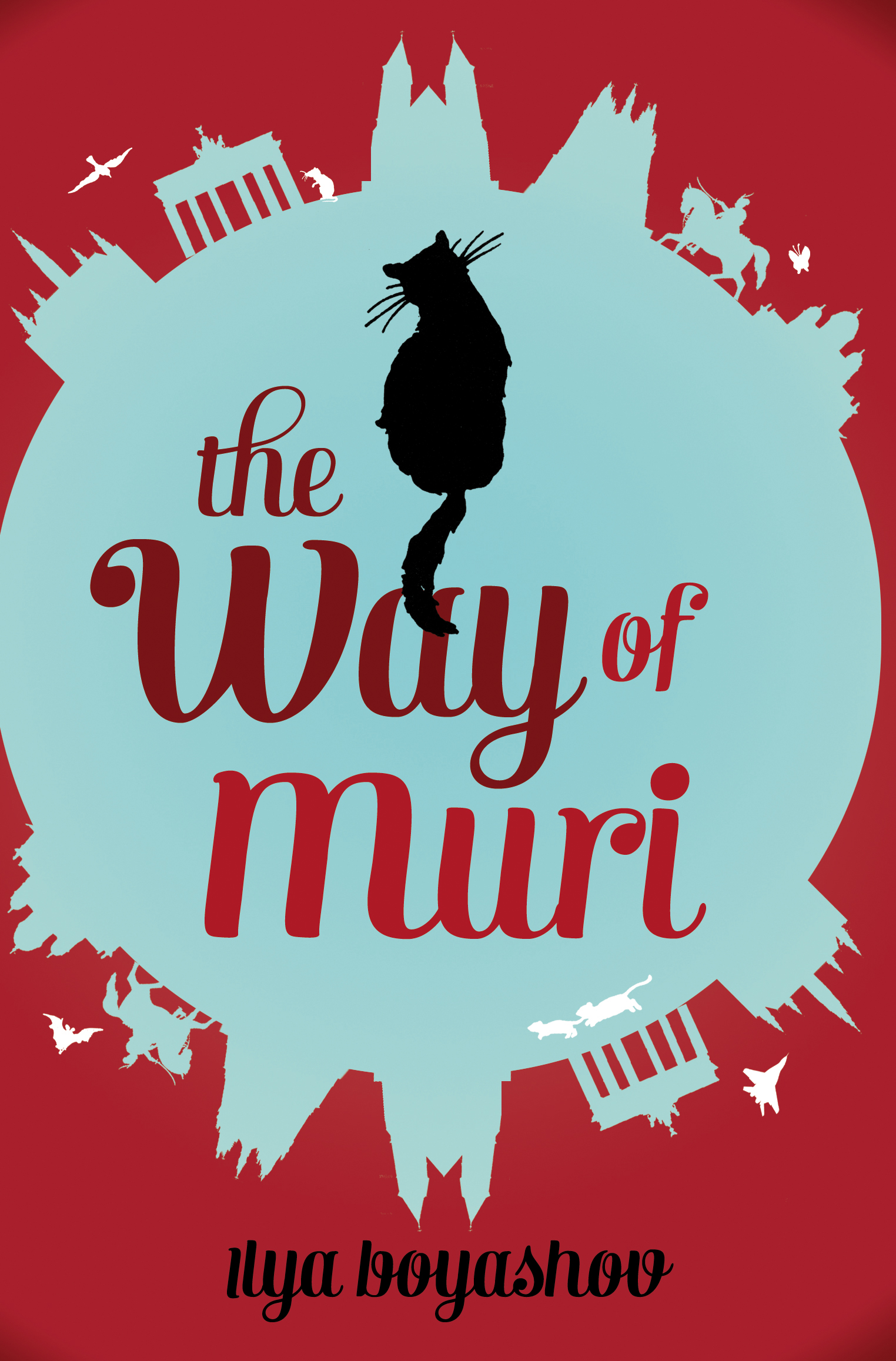 | The Way of Muri by Ilya Boyashov Translated by Amanda Love Darragh 2012, Hesperus Press, ISBN 978-1843913689 On his journey from his war-torn village, Muri the cat travels through Yugoslavia, Austria, Germany, Lithuania, Finland and Sweden, meeting on the way an unlikely but helpful group of creatures, from a sperm whale to a paraplegic mountaineer. The novel is a witty exploration of the human condition through the people and objects Muri meets on his travels. Somewhere in the mix, Boyashov introduces us to two eminent professors, who take opposite views on the question: Is man in a perpetual state of aimless wandering or must he always have a goal? | |
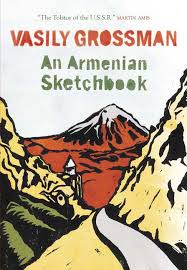 | An Armenian Sketchbook by Vasily Grossman Translated by Robert and Elizabeth Chandler 2013, MacLehose Press, ISBN 978-0857052353 This is by far the most personal and intimate of Grossman’s works, endowed with an air of absolute spontaneity, as though he is simply chatting to the reader about his impressions of Armenia—its mountains, its ancient churches, its people—while also examining his own thoughts and moods. A wonderfully human account of travel to a faraway place, An Armenian Sketchbook also has the vivid appeal of a self-portrait. | |
.jpg) | The Enchanted Wanderer By Nikolai Leskov Translated by Ian Dreiblatt 2012, Melville House Press, ISBN 978-1612191034 The Enchanted Wanderer is a Russian Candide with a revolutionary edge, a picaresque that features a fast-talking monk named Ivan who is at war, it seems, with every level of society. Working as a carriage man for a Count, Ivan accidentally causes the death of a monk, which leads to his being ostracized by the local peasantry. That is, until the dead monk returns as a ghost to guide him through his troubles... | |
.jpg) | Bridge Over the Neroch and Other Works by Leonid Tsypkin Translated by Jamey Gambrell 2013, New Directions, ISBN 978-0811216616 Leonid Tsypkin’s novel Summer in Baden-Baden was hailed as an undiscovered classic of 20th-century Russian literature. This edition includes the remaining writings of Leonid Tsypkin: in the powerful novella Bridge Across the Neroch, the history of four generations of a Russian-Jewish family is seen through the lens of a doctor living in Moscow. The remaining stories offer knowing windows into Soviet urban life. As the translator Jamey Gambrell says in her preface: "For Tsypkin's narrator, history is a tightrope to be walked every minute of every day, in both his internal and external world." | |
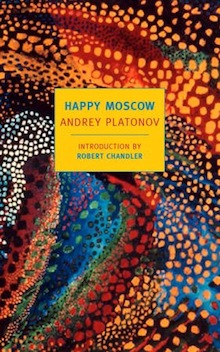 | Happy Moscow by Andrey Platonov Translated by Robert and Elizabeth Chandler 2012, New York Review Books Classics, ISBN 978-1590175859 Unpublishable during Platonov’s lifetime, Happy Moscow first appeared in Russian only in 1991. This new edition contains not only a revised translation of Happy Moscow but several related works: a screenplay, a prescient essay about ecological catastrophe, and two short stories in which same characters reappear and the reader sees the mind of an extraordinary writer at work. | |
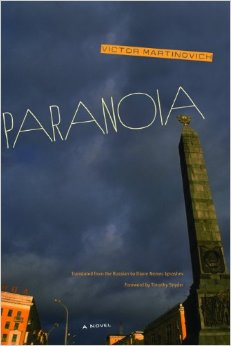 | Paranoia by Victor Martinovich Translated by Diane Nemec Ignashev 2013, Northwestern University Press, ISBN 978-0810128767 Emerging from the authoritarian nation of Belarus and written by a now-exiled novelist and activist, Paranoia is a satire of that thinly disguised regime, mixing narrative with governmental “reports.” The novel describes a romance between the writer Anatoly and his beloved, Elisaveta, but the surveillance files describing their most intimate actions and bedroom conversations are given in deadpan, Soviet-style bureaucratese. Martinovich parallels the commonplace but painful paranoia of love and the frighteningly appropriate paranoia of life in a harsh dictatorship. | |
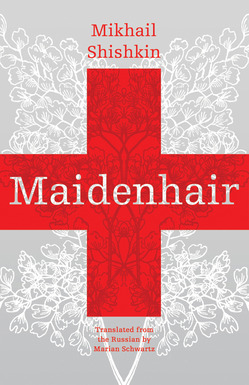 | Maidenhair by Mikhail Shishkin Translated by Marian Schwartz 2012, Open Letter, ISBN 978-1934824368 Mikhail Shishkin’s Maidenhair is an instant classic of Russian literature. It bravely takes on the eternal questions—of truth and fiction, of time and timelessness, of love and war, of Death and the Word—and is a movingly luminescent expression of the pain of life and its uncountable joys. | |
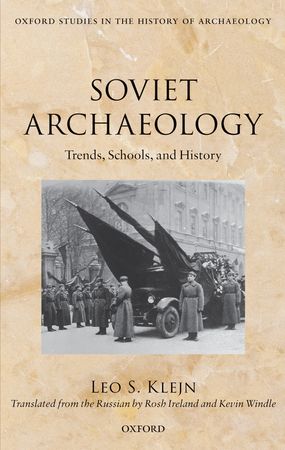 | Soviet Archaeology: Trends, Schools, and History by Leo S. Kleijn Translated by Kevin Windle and Rosh Ireland 2013, Oxford University Press, ISBN 978-0199601356 In Soviet Archaeology: Trends, Schools, and History, Russian archaeologist Leo S. Klejn looks at the peculiar phenomenon that is Soviet archaeology and its differences and similarities to Western archaeology and the archaeology of pre-revolutionary Russia. In this updated and expanded volume, he considers whether Soviet archaeology can be considered as Marxist and, if so, was Marxism a help or hindrance to Russian archaeology at the time. Were the writings of Soviet archaeologists sheer propaganda with their own political agenda or can they be considered as objective sources about our past? | |
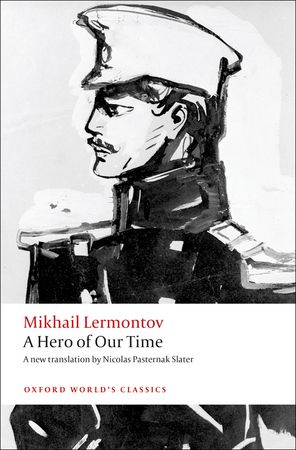 | A Hero of Our Time by Mikhail Lermontov Translated by Nicolas Pasternak Slater 2013, Oxford University Press, ISBN 978-0199652686 Often hailed as the first great Russian novel, this new edition of A Hero of Our Time also includes Pushkin's Journey to Arzrum, in which Pushkin describes his own experiences of Russia's military campaigns in the Caucasus and which provides a fascinating counterpoint to Lermontov's novel. | |
| | Russian Magic Tales from Pushkin to Platonov Anthology, edited by Robert Chandler Translated by Robert and Elizabeth Chandler with Sibelan Forrester, Anna Gunin and Olga Meerson 2012, Penguin Classics, ISBN 978-0141442235 In these tales, young women go on long and difficult quests, wicked stepmothers turn children into geese and tsars ask dangerous riddles, with help or hindrance from magical dolls, cannibal witches, talking skulls, stolen wives, and brothers disguised as wise birds. Half the tales here are true oral tales, collected by folklorists during the last two centuries, while the others are reworkings of oral tales by four great Russian writers: Alexander Pushkin, Nadezhda Teffi, Pavel Bazhov and Andrey Platonov. | |
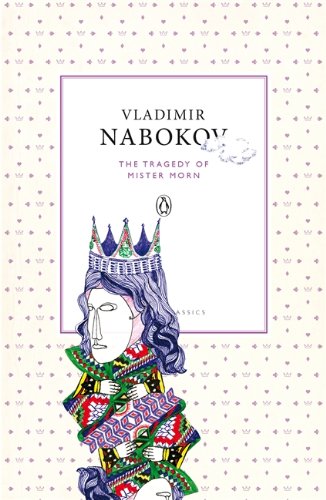 | The Tragedy of Mister Morn by Vladimir Nabokov Translated by Thomas Kershan and Anastasia Tolstoy 2012, Penguin Classics, ISBN 978-0141196329 Morn, a masked king, rules over a realm to which he has restored order after a violent revolution. Secretly in love with Midia, the wife of a banished revolutionary, Morn finds himself facing renewed bloodshed and disaster when Midia's husband returns, provoking a duel and the return of chaos that Morn has fought so hard to prevent. The first major work of Vladimir Nabokov is published in English here for the first time, and is a moving study of the elusiveness of happiness, the power of imagination and the eternal battle between truth and fantasy. | |
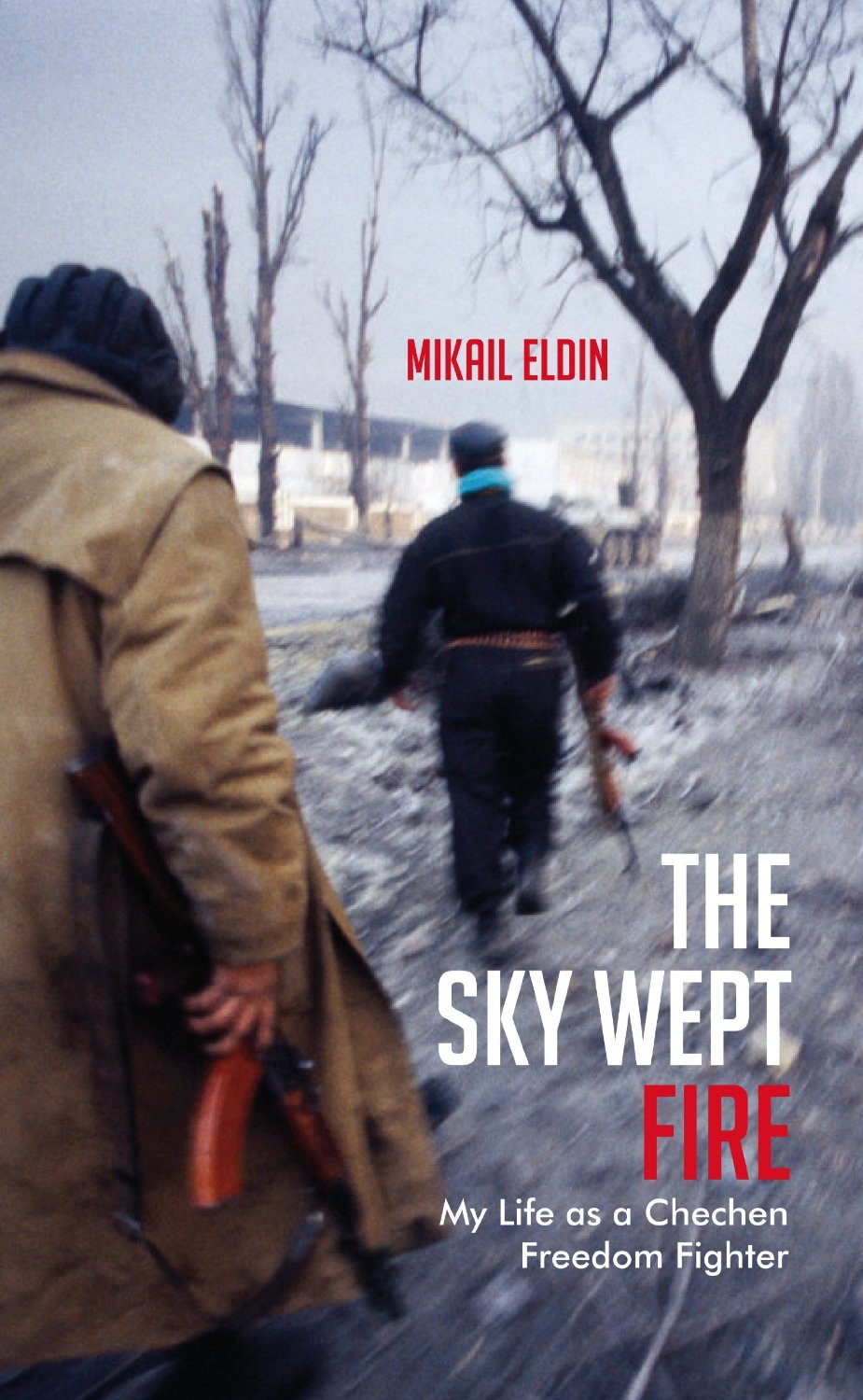 | The Sky Wept Fire: My Life as a Chechen Freedom Fighter by Mikail Eldin Translated by Anna Gunin 2013, Portobello Books, ISBN 978-1846273186 On the eve of the first Chechen war, Mikail Eldin was a young and naive arts journalist. By the end of the second war, he had become a battle-hardened war reporter and mountain partisan who had endured torture and imprisonment in a concentration camp. His compelling memoir traces the unfolding of the conflict from day one, with vivid scenes right from the heart of the war. The Sky Wept Fire presents a unique glimpse into the lives of the Chechen resistance, providing testimony of great historical value. Yet it is not merely the story of the battle for Chechnya: this is the story of the battle within the heart, the struggle to conquer fear, hold on to faith and preserve one's humanity. | |
| | The Queen of Spades by Alexander Pushkin Translated by Anthony Briggs 2012, Pushkin Press, ISBN 978-1908968036 The Queen of Spades, originally published in Russian in 1834, is one of the most famous tales in Russian literature, and inspired the eponymous opera by Tchaikovsky. This edition also includes The Stationmaster, together with the poem The Bronze Horseman, extracts from Yevgeny Onegin and Boris Godunov, and a selection of his poetic work. | |
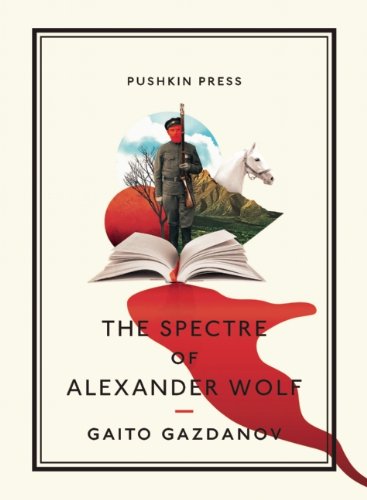 | The Spectre of Alexander Wolf by Gaito Gazdanov Translated by Bryan Karetnyk 2013, Pushkin Press, ISBN 978-1782270089 A man comes across a short story which recounts in minute detail his killing of a soldier, long ago-from the victim's point of view. It's a story that should not exist, and whose author can only be a dead man. So begins the strange quest for the elusive writer "Alexander Wolf". A singular classic, The Spectre of Alexander Wolf is a psychological thriller and existential inquiry into guilt and redemption, coincidence and fate, love and death. | |
.jpg) | Moscow and Muscovites by Vladimir Gilyarovsky Translated by Brendan Kiernan 2013, Russian Life Books, ISBN 978-1880100820 Vladimir Gilyarovsky's classic portrait of the Russian capital is one of Russians’ most beloved books. Gilyarovsky's self-described "chronicle" is a spectactular verbal pastiche: conversation, from gutter gibberish to the drawing room; oratory, from illiterates to aristocrats; prose, from boilerplate to Tolstoy; poetry, from earthy humor to Pushkin. | |
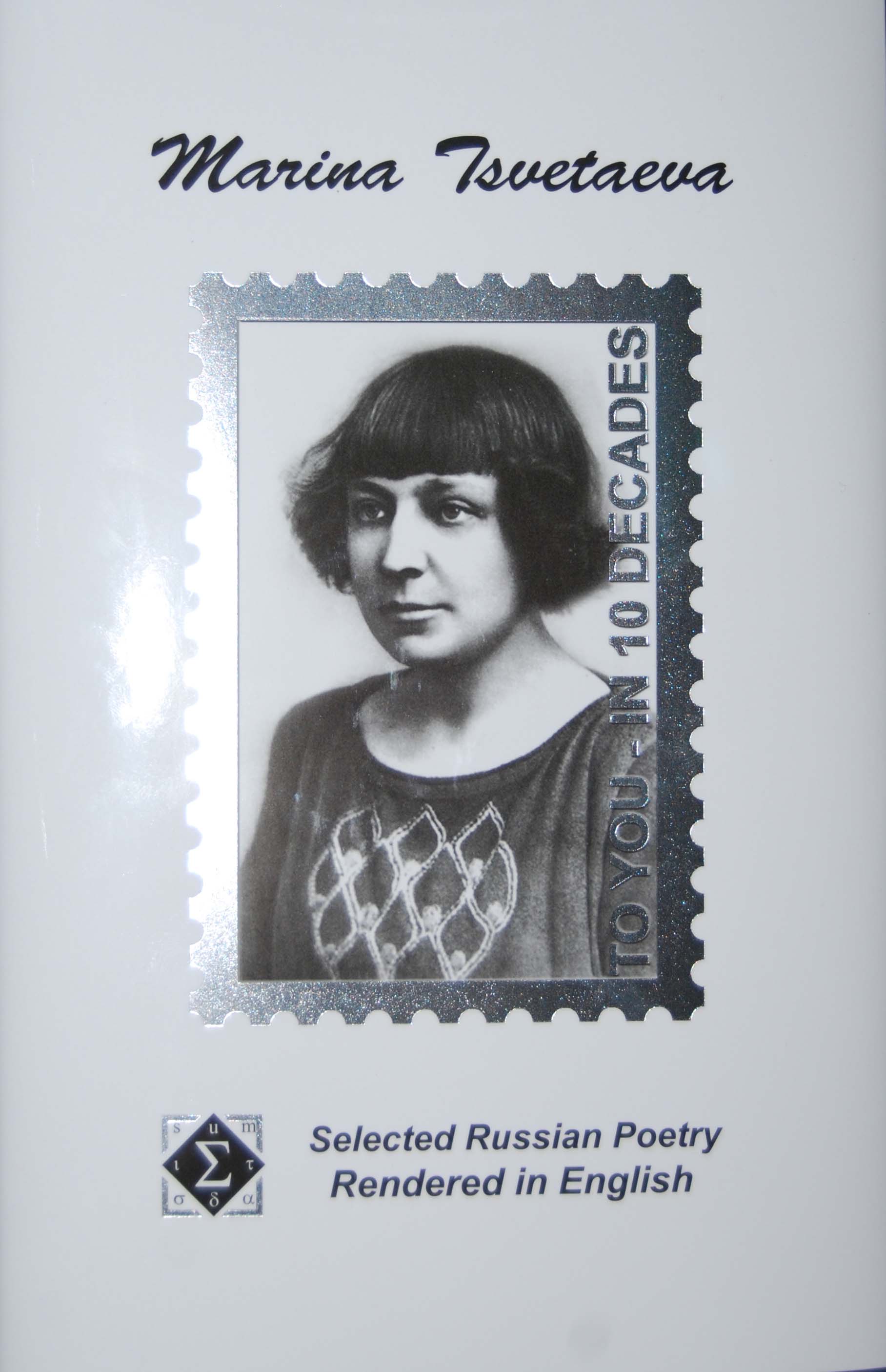 | To You – In 10 Decades by Marina Tsvetaeva Translated by Alexander Givental and Elysee Wilson-Egolf 2013, Sumizdat, ISBN 978-0977985272 The poetry of Marina Tsvetaeva is the fruit of passion. So is the present book of side-by-side verse translations, which aims to preserve the rhyme, rhythm, music and meaning of the originals, hoping to convey to the reader their sense of grandeur. | |
.jpg) | Day of the Angel by Irina Muravyova Translated by John Dewey 2013, Thames River Press, ISBN 978-1783080120 Day of the Angel follows the fates and fortunes of three generations of the Ushakov family, members of the Russian émigré community living in Paris following the Revolution. Against the historical background of totalitarian terror, famine and war, depicted in harrowing detail as an epic struggle between the powers of good and evil, the family becomes swept up in a tide of events largely beyond their control. | |
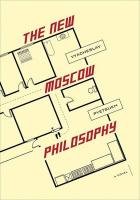 | The New Moscow Philosophy by Vyacheslav Pyetsukh Translated by Krystyna A. Steiger 2011, Twisted Spoon Press, ISBN 978-8086264363 In a communal apartment in late Soviet-era Moscow, a tenant has disappeared after seeing a ghost. The other occupants meet in the kitchen to argue over who deserves the room she has apparently vacated. If the old woman was murdered, each tenant is a suspect since each would have a motive: the "augmentation of living space." As two of the tenants engage in an extended debate over the nature of evil, they take it upon themselves to solve the mystery, and it becomes clear that the entire tableaux is a reprise of Dostoevsky's Crime and Punishment. | |
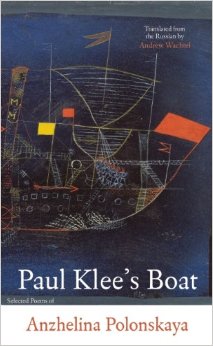 | Paul Klee's Boat by Anzhelina Polonskaya Translated by Andrew Wachtel 2013, Zephyr Press, ISBN 978-0983297079 Unlike many of her contemporaries, Anzhelina Polonskaya did not receive a classic Russian literary education, so her work is considerably more idiosyncratic and less anchored in tradition. This book, her first collection in English translation since 2005, includes her cycle "Kursk," an oratorio requiem with music by David Chisolm that will be performed across Australia and the United States. | |
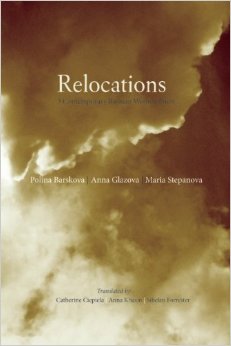 | Relocations: Three Contemporary Russian Women Poets by Polina Barskova, Anna Glazova and Marina Stepanova Translated by Catherine Ciepela, Anna Khasin and Sibelan Forrester 2013, Zephyr Press, ISBN 978-0983297086 Polina Barskova, Anna Glazova, and Maria Stepanova were all born in the early to mid-1970s and came of age during perestroika. In distinct ways all three are engaged in the project of renovating Russia's great modernist tradition for a radically different historical situation. They write poems of imaginative daring, pushing recognizable scenarios into the fantastic, the surreal or the speculative. |